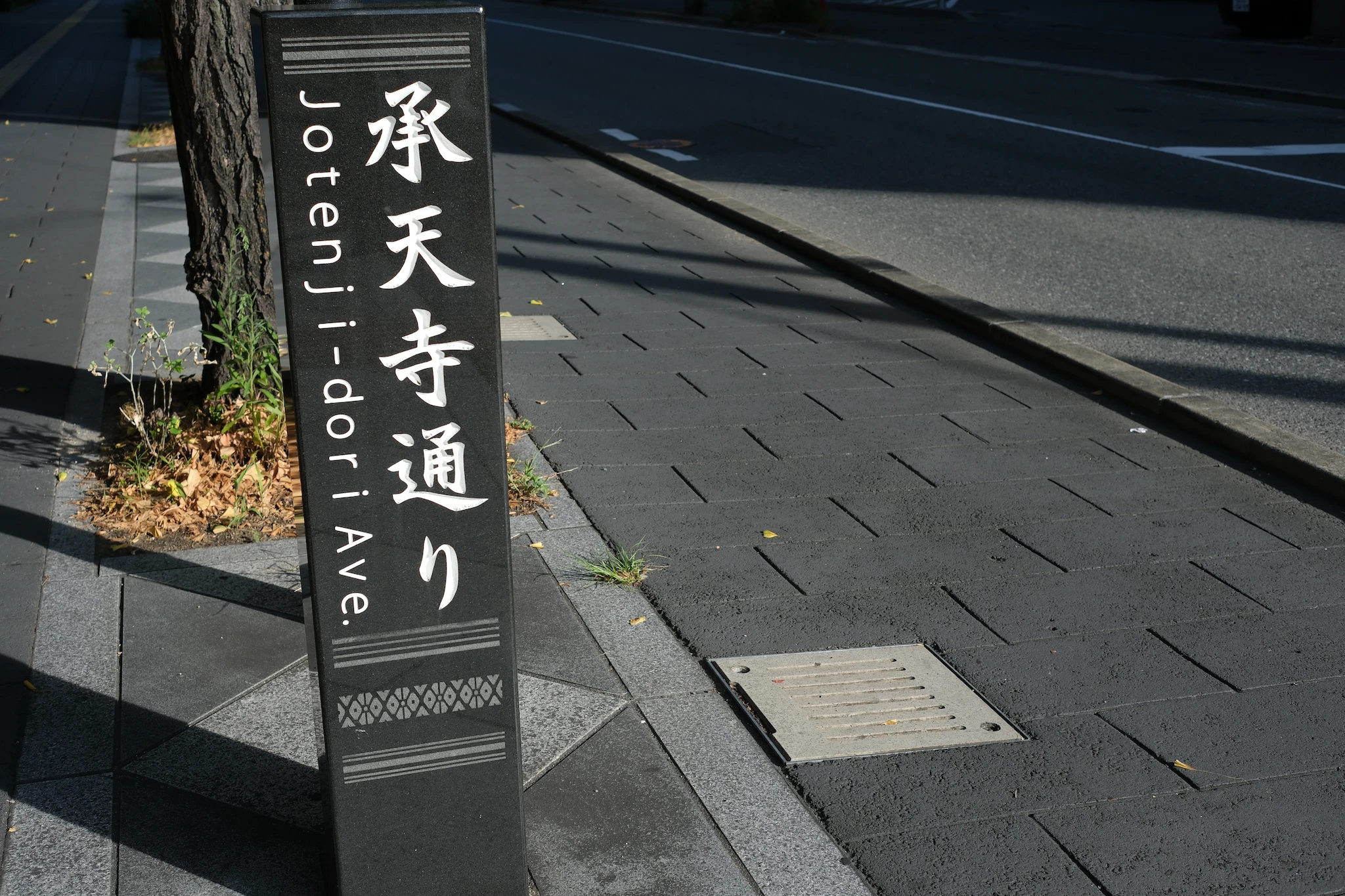
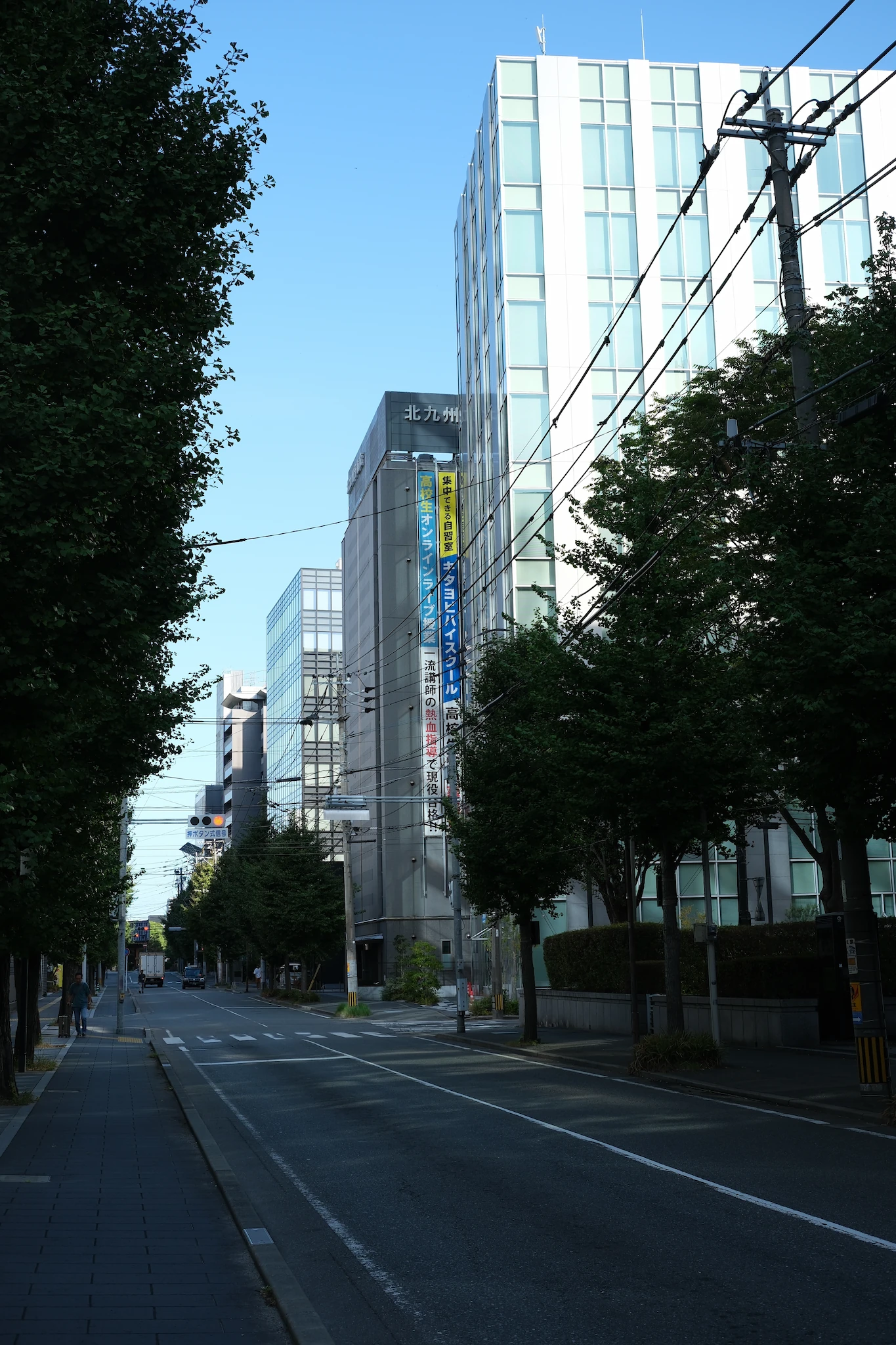
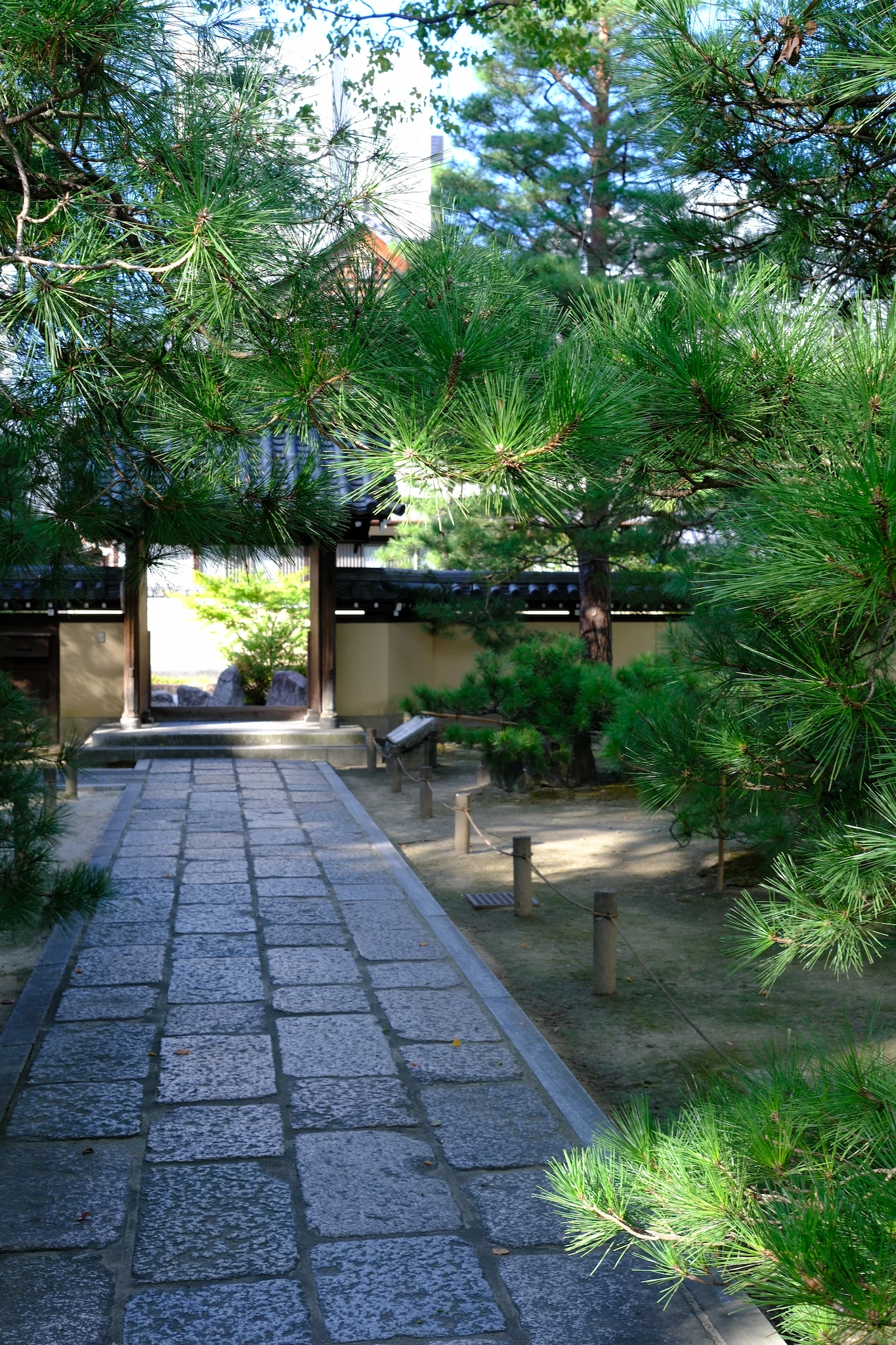
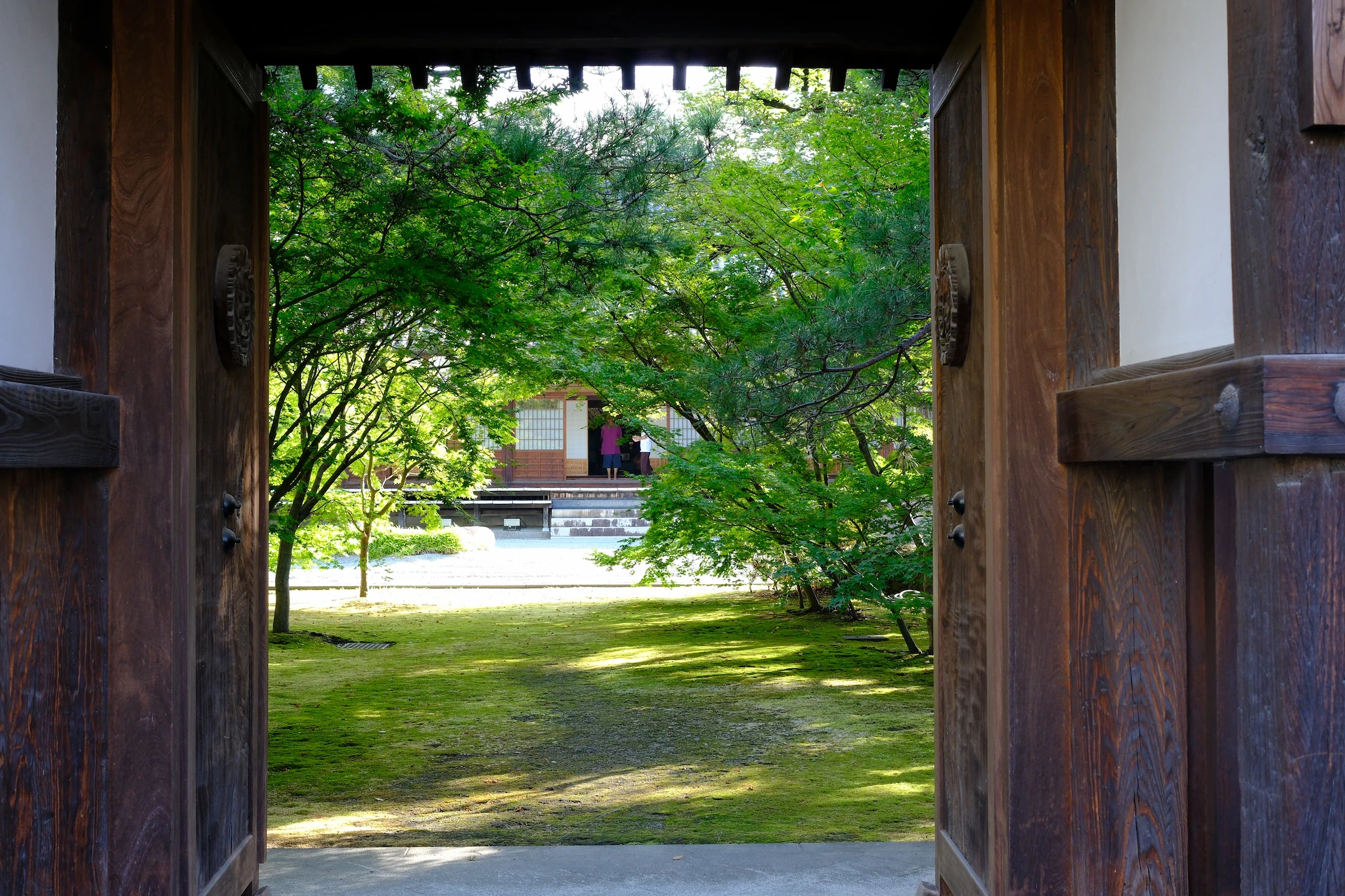
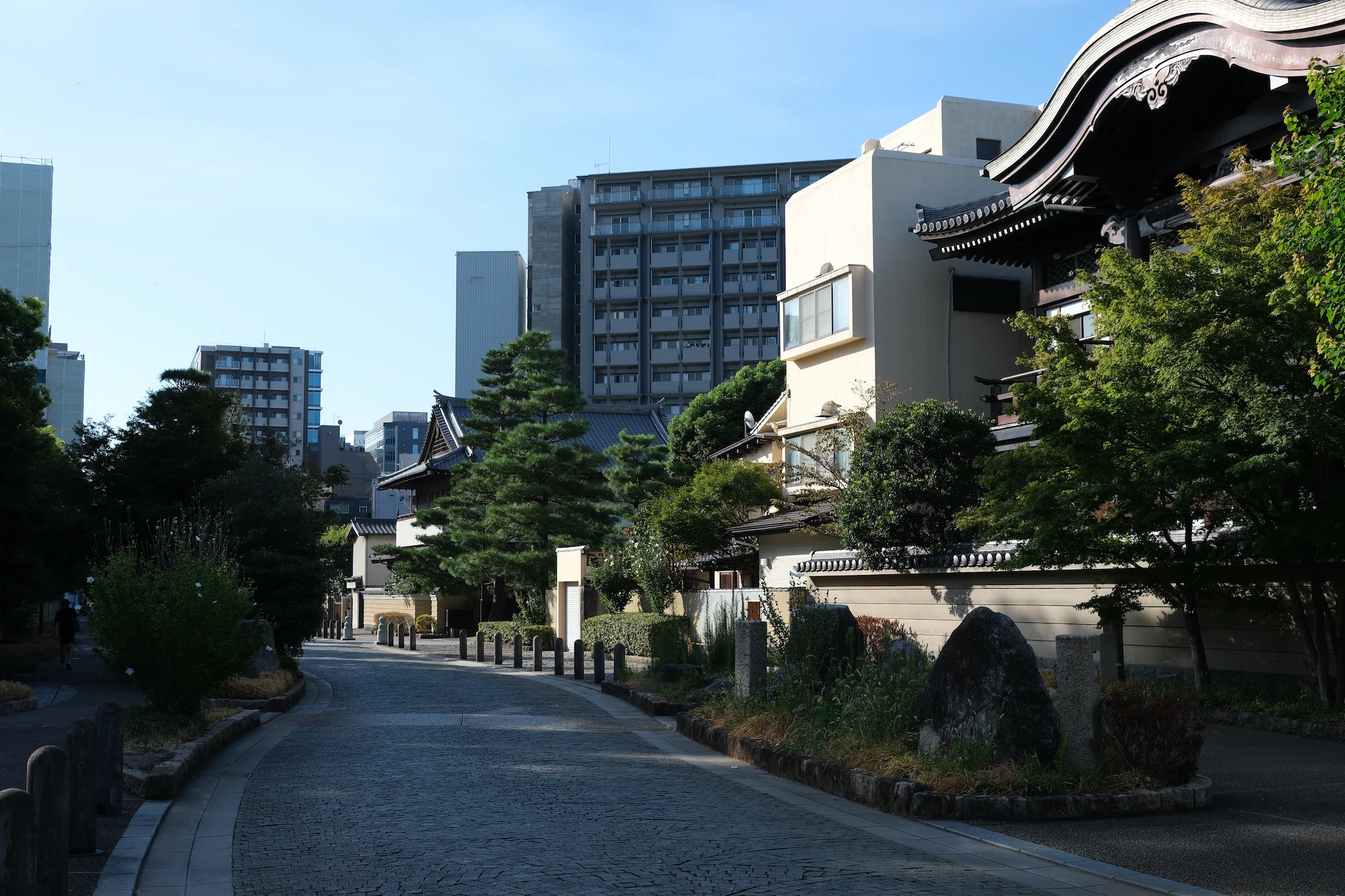
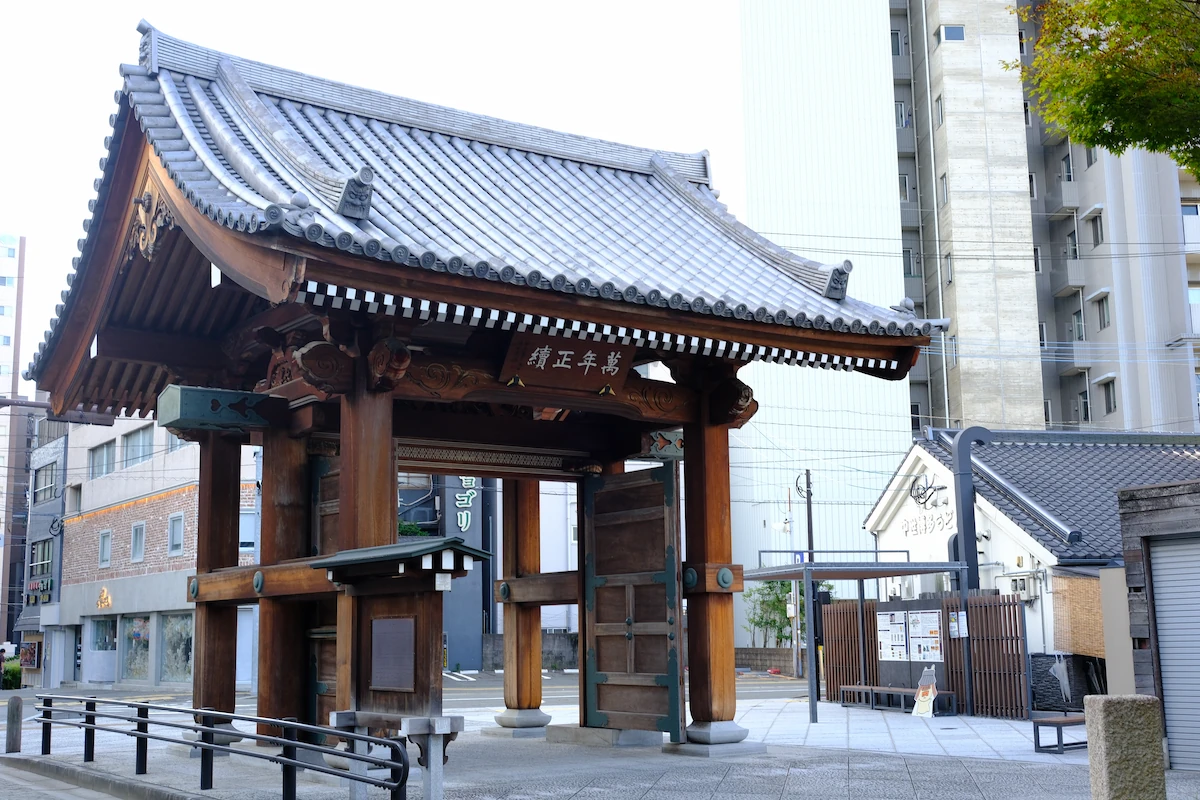
On a late-summer morning, I wandered slowly along the quiet streets of Jotenji-dori, with few people around.
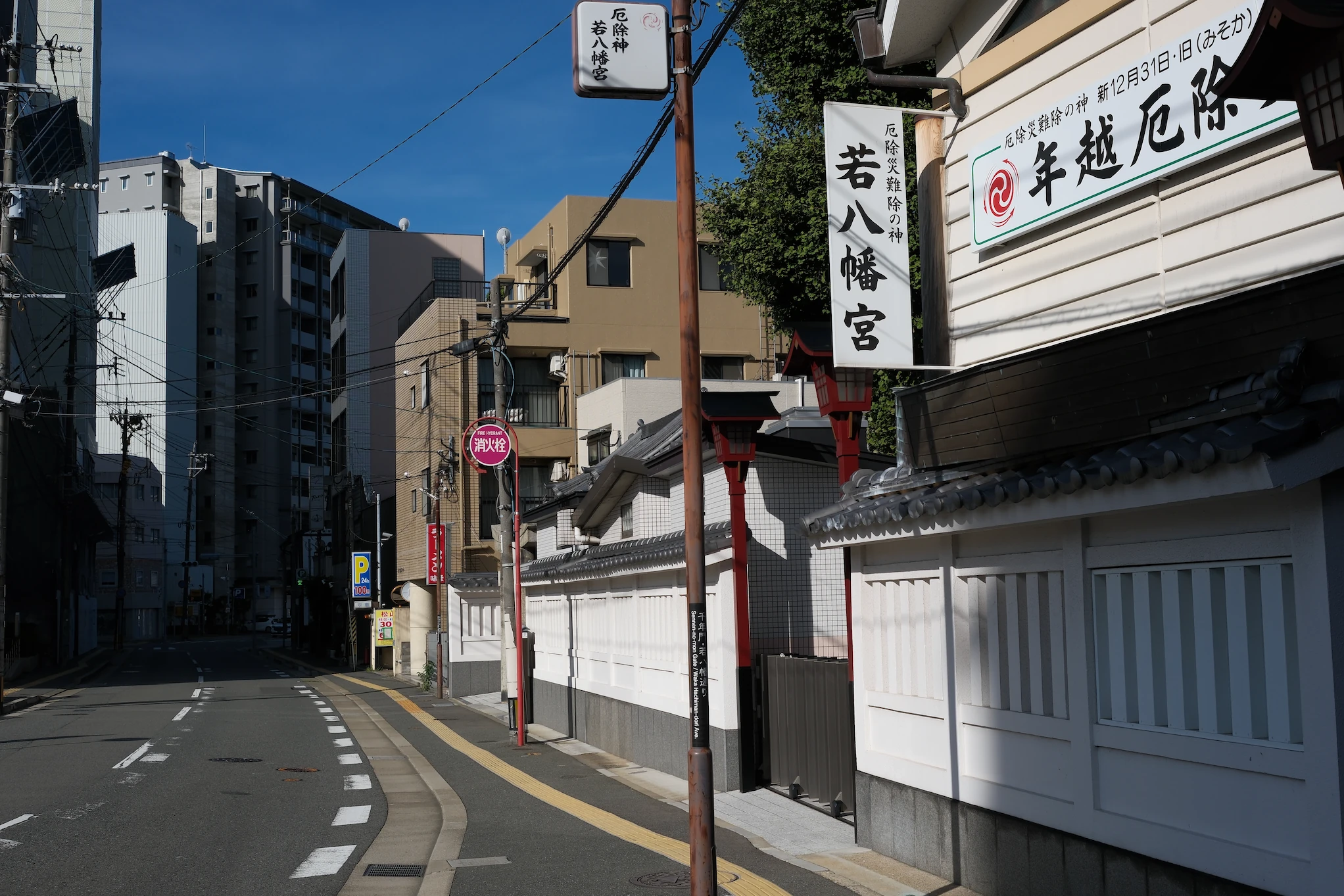
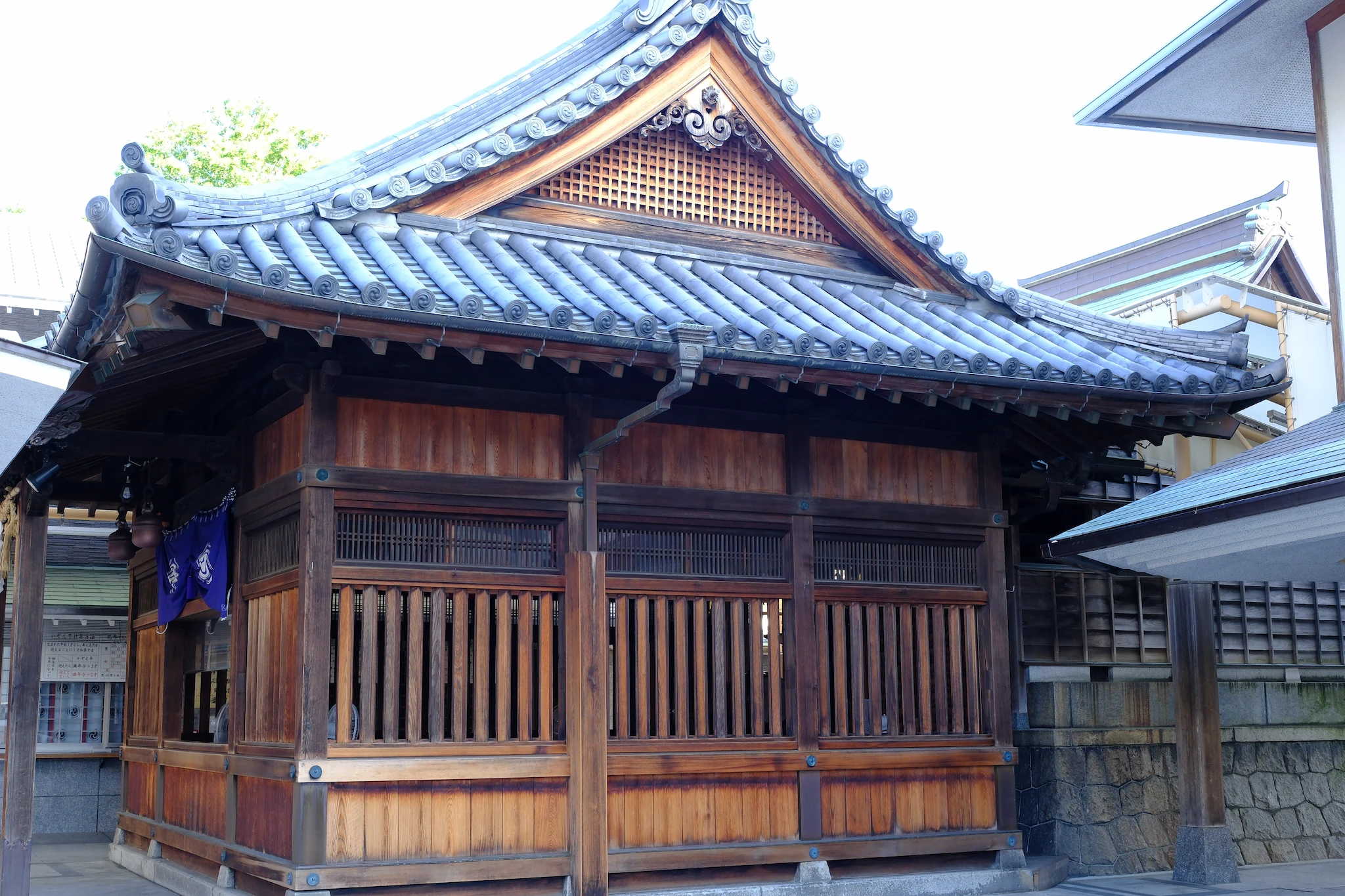
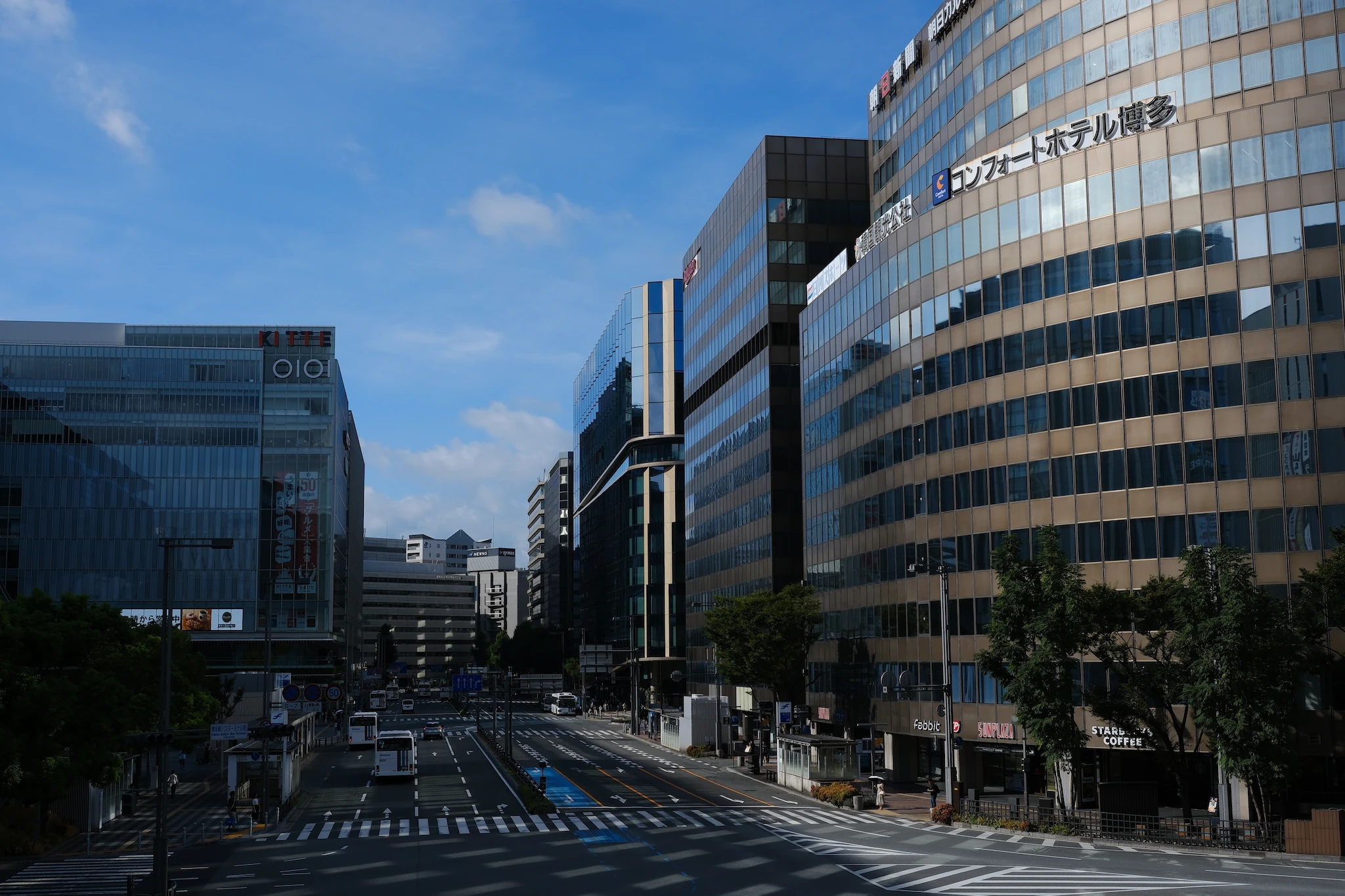
At the beginning of Jotenji-dori, there was little to suggest the atmosphere of an old temple quarter. I wondered if the temple town I had imagined would ever reveal itself.Along the way, I came across a traditional crafts museum, but sadly, it was still closed for the morning.The quiet Wakahataman Shrine, known for warding off misfortune, was waiting patiently for visitors.To the east of the street stands Jotenji Temple, its grounds closed to general visitors. Only those who have arranged a paid prayer are allowed to enter, leaving the temple quietly behind its gates.I imagine the street must be quite different in the daytime, with many people coming and going.From the end of Jotenji-dori, it was only about a fifteen-minute walk back to Hakata Station. It was a quiet walk, but one that left me with a sense of just how deep the history of Fukuoka runs.